Blog

  • Whisperings of Hope

    Whisperings of Hope

    [vc_row][vc_column][vc_empty_space][vc_column_text]

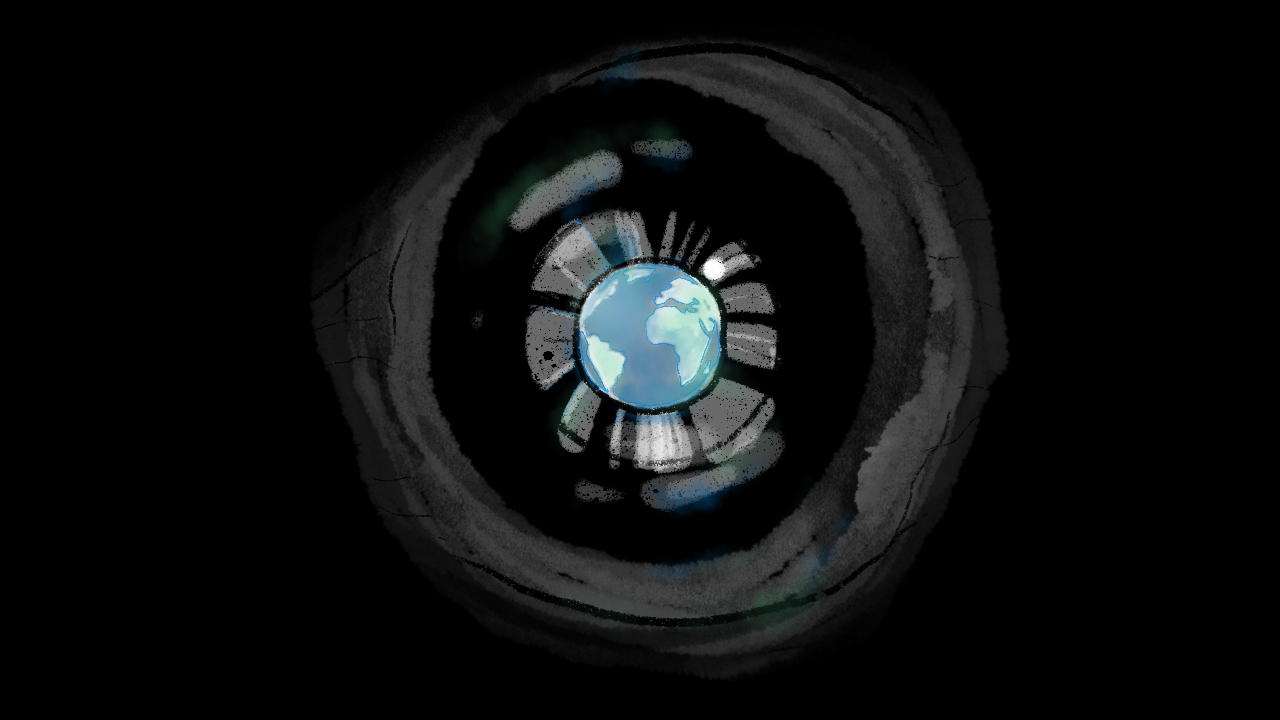
    Illustration by Harshita Bandodkar

    [/vc_column_text][vc_column_text]Hope is a nebulous feeling curled up inside me,
    A pair of wings that has not yet taken flight,
    Elusive on most days and palpable on others,
    Like petrichor after a rainstorm.

    (more…)

  • Fintech Entrepreneurial Rollercoaster: OneBanc & CoCubes

    Fintech Entrepreneurial Rollercoaster: OneBanc & CoCubes

    [vc_row][vc_column][vc_column_text]

    Vibhore Goyal

    Vibhore is an IIT Bombay alumnus ((DD ’05 EE H9) who co-founded Babajobs (sold to Quikr), CoCubes (sold to Aon), and is currently the founder of his third venture, OneBanc. He has spent over a decade leading teams and building products that solve real-world problems.[/vc_column_text][vc_column_text]As a reminder, this is a regular column covering entrepreneurs and their journeys in startup-land. Our hope is to give the reader a behind-the-curtains look at what it takes to build a startup. We will cover stories of entrepreneurs who succeeded as well as those who had to shut their startup and the trials and tribulations along the way. If you are an entrepreneur or know of one, please reach out to us!

    This is a special column published in conjunction with the FinTech Summit 2021. We talked to Vibhore Goyal, founder of OneBanc and former co-founder of CoCubes, on his experiences building, scaling, and exiting one startup and then starting another one soon thereafter. He is the co-author of Let’s Build A Company, a book describing his journey building CoCubes.[/vc_column_text][/vc_column][/vc_row][vc_row][vc_column][vc_column_text]Here is an edited interview.[/vc_column_text][/vc_column][/vc_row][vc_row][vc_column][vc_column_text]

    Fundamatics: You were already a serial entrepreneur before you started CoCubes. What were the motivating factors for starting each of those businesses?

    VG: I have always been interested in doing something more than what is expected. I worked as a part-time motorbike mechanic during high school and as a freelance software developer during IIT. In my fourth year at IIT, I joined a phone OS startup, RetroOS, with the dream of making it big but the vision dissipated as soon as Android was launched. After graduating, I joined Microsoft but left in two years to start Babajob which was focused on the low-skilled job market. In slightly more than two years, we sold Babajob to Quickr.

    At that time, I really wanted to address the problem of giving students from non-top tier colleges access to some of the best jobs in the country. While there were more than thirty-five thousand colleges in the country, the leading employers chose to recruit students out of a small fraction of those due to time constraints. My cofounder, Harpreet, and I were roommates during our days at IIT and had a complementary skillset, so it was an easy decision to start my 3rd venture.[/vc_column_text][/vc_column][/vc_row][vc_row][vc_column][vc_column_text]

    Fundamatics: Shortly after you started CoCubes, the Global Financial Crisis affected economies around the world. How did it affect you? How did you navigate that journey?

    VG: CoCubes initial business was enabling companies to hire top talent from colleges across the country. CoCubes stood for Connecting Colleges and Companies. Due to the crisis, our role shifted from talent discovery to talent selection. For a job that paid 25 thousand rupees a month, a company would get over one thousand applications. We pivoted our business to help review the applications and find the right candidate.

    We were going through a cash crunch and had multiple investors offering to invest $10M in CoCubes. As a team, we decided not to raise that money as the market was not large enough to provide adequate returns to new shareholders. We took a few hard decisions: reduced our team by 60%, shifted to a much smaller office, and focused on sustainable revenue growth. As a result, we became EBITDA positive in 2013. During this time, we ensured that everyone who was let go understood why we were making that decision. We supported everyone to find the next job and honoured all our commitments to them when we finally exited CoCubes. They will always remain a part of the CoCubes team.[/vc_column_text][/vc_column][/vc_row][vc_row][vc_column][vc_column_text]

    Fundamatics: You started CoCubes with a close friend from IIT Bombay. Would you recommend starting a business with a close friend? Any downsides?

    VG: It is always helpful to know your cofounder well before starting the business, but a non-ideal business outcome is not worth losing a friend over. We were always aligned on the vision for CoCubes but disagreed often on the best way to get there. We made it a priority to talk each other through our thought process, decide on a path forward, and preserve our friendship. I believe that the best cofounders have complementary skills and are always honest with each other. This is also true for the broader team. It takes a lot of maturity for a friendship to survive the startup journey, both when things are and are not going well. It is no surprise that our wives are jokingly jealous of our relationship![/vc_column_text][/vc_column][/vc_row][vc_row][vc_column][vc_column_text]

    Fundamatics: It took 10 years and 3 pivots for you to reach product-market fit. What kept you going along the way?

    VG: My simple answer would be our confidence in our team and our investor. Our team’s passion and commitment made the journey worthwhile for us. Finding a good exit was a cherry on the cake but the real cake was the joy we experienced every day while we were building the company.

    As an example, early in our journey, a potential investor backed out the day the investment was supposed to close. We had to go back to the team and let them know that the funding fell through and they had the option to stop working or look for alternate jobs since we did not have the cash to pay any salaries. To their credit, no one left us even though we’re paying them meagre salaries. When we were finally able to raise the next round in nine months, we made up for the lost salaries and performance bonuses.[/vc_column_text][vc_masonry_media_grid element_width=”6″ item=”mediaGrid_SimpleOverlay” grid_id=”vc_gid:1615904796222-a00b68a8-9314-2″ include=”11295,11288″][vc_column_text]

    Co Cubes Group

    [/vc_column_text][/vc_column][/vc_row][vc_row][vc_column][vc_column_text]

    Fundamatics: You decided to exit CoCubes to Aon after building the business for over a decade. What did you feel while making that decision?

    VG: My cofounder and I wanted to scale CoCubes further, but we also realized the value Aon would bring to the business. Our investor had supported us through thick and thin, so we felt it was our responsibility to provide them with a financial exit. While it was emotionally difficult to sign the sale agreement, we knew it was the right thing to do. Also, we never started with an aim to build a lifestyle company but to build something that can outlive us.[/vc_column_text][/vc_column][/vc_row][vc_row][vc_column][vc_column_text]

    Fundamatics: And how did you feel the day after you left CoCubes?

    VG: There are three things that made up my regular routine: black coffee, walking, and working. I expected that I will start missing work but that never happened as I started working on my next venture soon after. Initially, my wife was looking forward to spending more time with me but after the first long vacation, she decided that I am better off in the office.

    I also expected that I will miss the daily interactions with my team. However, we continue to be in touch regularly so that has not affected me as yet.[/vc_column_text][/vc_column][/vc_row][vc_row][vc_column][vc_column_text]

    Fundamatics: You hardly took a break between exiting CoCubes and starting OneBanc. It seems like you are a glutton for punishment.

    VG: I did take a short break to pursue my passion for flying and get a personal pilot license, but you are right. I am a workaholic and I need to be constantly active – both literally and metaphorically. I was once working with a partner at Babajob who inquired about product delivery timelines and I committed to 7 days. He had always worked at large tech companies and assumed 7 business days whereas I meant 7 days including the weekends![/vc_column_text][vc_single_image image=”11293″ img_size=”large”][vc_column_text]

    OneBanc Team

    [/vc_column_text][/vc_column][/vc_row][vc_row][vc_column][vc_column_text]

    Fundamatics: You are switching gears and entering the fintech space now. Why is that still an attractive sector even with the likes of Paytm, PhonePe, Jio, etc. in the space? Why now?

    VG: Currently, all fintech products are built by and for finance insiders such as accountants and career finance professionals. We believe that the products should be built with the common person in mind and address all their needs. We do not have one large problem that needs to be solved but have numerous small problems that a bank can help solve.

    As a growing economy where consumers are willing to pay for superior experience and service, we feel there is a significant opportunity for innovation. OneBanc wants to build Personalized Experiential Banking which the GenY and GenZ generations are craving.[/vc_column_text][/vc_column][/vc_row][vc_row][vc_column][vc_column_text]

    Fundamatics: Any final words of advice to other entrepreneurs?

    VG: Here is my short list:

    • Have a co-founder who complements your strengths.
    • Ensure that you and your team are living comfortably enough to focus on the startup. Unnecessary hardship (e.g. not paying the founders a salary) is not a show of commitment.
    • Hire the right core team. And do not throw money at the problem.
    • Spend quality time with your family because you will most likely fall short on quantity.

    [/vc_column_text][/vc_column][/vc_row]

  • Reimagining a post-COVID World

    Reimagining a post-COVID World

    [vc_row][vc_column][vc_column_text]

    Cover Illustration by Rajat Patle

    [/vc_column_text][vc_column_text]The COVID 19 pandemic has been devastating, globally. Despite the development of new vaccines, many are still wondering what recovery could look like. Many are also pondering on how the pandemic has changed the world and the life lessons that it has taught us. The articles in this issue aim to help our readers assess the changes that have occurred in 2020 and give them a perspective of what could be expected over the next two to three years, what would change irrevocably and how can they adjust to it. As our Guest Editor for this issue, Chandru Chawla captures it beautifully in his Editorial “we are pretty much locked into a new paradigm for some time – a surreal digital life in the safety of a gated cocoon…” This edition has an extraordinary array of writers speaking on wide-ranging topics like effective delivery of justice, financial inclusion of the marginalized, existential issues of a social sector startup, transition to e-learning, mental health during a pandemic. Also, included is a liberal dose of art that captures the lighter side of the crisis.[/vc_column_text][vc_custom_heading text=”Table of Contents” font_container=”tag:h2|text_align:left|color:%23dd9933″][/vc_column][/vc_row][vc_row][vc_column][vc_basic_grid post_type=”post” max_items=”14″ grid_id=”vc_gid:1627016497072-f8ef61ec-cd71-7″ taxonomies=”498″][/vc_column][/vc_row]

  • Editorial: Living with Hope

    Editorial: Living with Hope

    [vc_row][vc_column][vc_column_text]

    Illustration by Nilapratim Sengupta

    [/vc_column_text][vc_column_text]The headlines on the front page of the New York Times on 1 Jan 2020 were normal:

    • Iraqi Protesters assault embassy after US strike;
    • E.P.A policies scorn science;
    • 3 passports and a plan hatched in Lebanon – Carlos Ghosn’s Escape Act;
    • As the markets soared higher, it was best not to look down;
    • Nowhere else to run (in Australia);
    • US set to ban vaping flavors teens most use.

    Some context, for those who may find the above from a distant era:

    • The Bush Doctrine – America must spread democracy – was facing checkered success in Iraq.
    • The US had already quit the Paris Climate Change agreement and the E.P.A was being shown its place.
    • A celebrated global corporate titan, the toast of the automobile world, was running away from charges of financial misconduct.
    • Global markets were happily seeing a prolonged bull run.
    • Forest fires, Down Under, had the world up in arms about the impending environment doom.
    • And vaping, a teen rage, was the new health threat!

    [/vc_column_text][/vc_column][/vc_row][vc_row][vc_column][vc_column_text]As I sit to write this, 370 days later, the world is watching in real time, the Temple of Democracy in Washington DC, being breached, while it awaits a “peaceful” transition to a new President. This is happening while the world is in the grip of a pandemic, which has taken almost 2 million lives already and infected nearly 90 million. Many ruling leaders have seen the pandemic as an opportunity to further consolidate their power, threatening liberty and fraternity nearly everywhere. India saw a merciless regime testing the resilience of millions of urban migrant workers walking several hundreds of kilometers back home, lakhs of farmers protesting bills that threaten their lands and livelihoods, and scantily equipped health workers at the frontlines of the pandemic, while millions of ordinary citizens and thousands of not-for-profits showed what humanity and compassion can achieve.[/vc_column_text][/vc_column][/vc_row][vc_row][vc_column][vc_column_text]No leader, observer, commentator or scientist of any standing saw this coming in the way it did. And yet, here we are, trying to reimagine a new world. For as Martin Luther King Jr said, “We must accept finite disappointment, but never lose infinite hope”[/vc_column_text][/vc_column][/vc_row][vc_row][vc_column][vc_column_text]This edition has an extraordinary array of writers speaking on wide-ranging topics like effective delivery of justice, financial inclusion of the marginalized, existential issues of a social sector startup, transition to e-learning, mental health during a pandemic.[/vc_column_text][/vc_column][/vc_row][vc_row][vc_column][vc_column_text]Shailesh Gandhi speaks of the need to adapt to a new normal and to seek opportunity in it. He sees an e-justice system as an effective means of dealing with colossal pendency and to improving access to justice. It is an opportunity to ponder on some important questions. Is technology the solution to universal, fair, consistent and speedy justice? Can it help in ensuring that “justice is not only delivered, but seen to be delivered”? Can accessing a justice system become as easy as making a WhatsApp call? For everybody, everywhere?[/vc_column_text][/vc_column][/vc_row][vc_row][vc_column][vc_column_text]Dr. Mrinal Patwardhan speaks to us about the new Teaching – Learning paradigm. Its need to find the right balance between “the presence of tech in teaching” and the “absence of human touch in learning”, and the challenges the academic world is facing in this journey.[/vc_column_text][/vc_column][/vc_row][vc_row][vc_column][vc_column_text]Alkesh Wadhwani and Prabir Borooah speak passionately about an extraordinary national milestone in providing millions of underprivileged citizens access to basic “banking services” and the role that technology is playing to bridge an inequity that has existed for decades. The authors appreciate the irony and the challenge of empty or inactive bank accounts just as many appreciate the irony of “bulging granaries but hungry people”[/vc_column_text][/vc_column][/vc_row][vc_row][vc_column][vc_column_text]Jishnu KR has a wry take on life in the campus during these dark, challenging times, while Shivani Manchanda offers a perspective on an issue still widely considered TABOO in Indian society – that of mental health. One can’t help but wonder – is there another crisis looming ahead? An invisible one?[/vc_column_text][/vc_column][/vc_row][vc_row][vc_column][vc_column_text]Anu Prasad shares her travails in keeping a “not-for-profit” startup afloat in this crisis and the lessons she is taking forward from the numerous real-life examples of humanity and compassion triumphing over desolation, despair and disillusionment that she witnessed during this period.[/vc_column_text][/vc_column][/vc_row][vc_row][vc_column][vc_column_text]Raj Nair takes a succinct look at some trends that may become the “new normal” in the short term.[/vc_column_text][/vc_column][/vc_row][vc_row][vc_column][vc_column_text]Runal Dahiwade and Miraj Vora give a glimpse of a startup whose offering, serendipitously, turned out to be apt for the post-Covid era. Their experience underlines the need for speed, agility and adaptability in uncertain times.[/vc_column_text][/vc_column][/vc_row][vc_row][vc_column][vc_column_text]As the world gets closer to the pandemic antidote, there is realization in the privileged class (that IITians represent) that we are pretty much locked into a new paradigm for some time – a surreal digital life in the safety of a gated cocoon,  an urban obsession over personal hygiene and health, a growing tolerance to fanaticism and divisiveness in society, a rapidly expanding social divide intermixed with numerous tales of individual courage and resilience. A crisis, especially an unprecedented one, provides impetus to tackle universal issues such as:[/vc_column_text][/vc_column][/vc_row][vc_row][vc_column][vc_column_text]

    • Finding lasting solutions to poverty, illiteracy, human trafficking and social inequity
    • Survival of conventional capitalism. Should we be looking at new economic models that encourage and incorporate human compassion, planet conservation, social equity and the need for physical and emotional wellbeing?
    • Need for ensuring universal access to affordable and quality health, education and food. Solutions that prevent citizens from getting locked into an infinite debt spiral.
    • Providing a shock-absorbing cushion to the most marginalized – children, women, the LGBTQ community, urban and rural workers, farmers, those discriminated on race and caste and many more.

    [/vc_column_text][/vc_column][/vc_row][vc_row][vc_column][vc_column_text]There will be another pandemic. There will be more climate change triggered natural disasters. And human compassion, innovation and enterprise may still prevail. But what cost will it exact the next time around – to our lives and to our souls? Sunder’s poem, Privilege, gives us hope.[/vc_column_text][/vc_column][/vc_row]

  • Acrylic SOUP for the Locked-Down SOUL!

    Acrylic SOUP for the Locked-Down SOUL!

    [vc_row][vc_column][vc_column_text]In this time of crisis, the Whimsical Clinical Investigation gets underway and the Undercover Secret Chromosomal Agents swing into action. Tracking down Absconding, Fugitive DNA fragments for Traces of the Charmingly Elusive Artistic Vixen Virus ….

    (more…)

  • The Entrepreneurial Roller Coaster: Peppermint Robots

    The Entrepreneurial Roller Coaster: Peppermint Robots

    [vc_row][vc_column][vc_column_text]

    Photo by Wilhelm Gunkel on Unsplash

    [/vc_column_text][penci_container][penci_column width=”11″][vc_column_text]Fundamatics is launching a regular column covering entrepreneurs and their journeys in startup-land. Our hope is to give the reader a behind the curtains look at what it takes to build a startup. We will cover stories of entrepreneurs who succeeded as well as those who struggled and the trials and tribulations along the way. If you are an entrepreneur or know of one, please reach out to us!

    In our inaugural column, we will be covering Runal Dahiwade and Miraj Vora’s journey in building Peppermint. They build industrial robots that can clean industrial and commercial spaces such as manufacturing facilities, warehouses, airports, hotels, and offices. Peppermint has been incubated at IIT Bombay SINE.

    (more…)

  • Keeping Our World in Motion

    Keeping Our World in Motion

    [vc_row][vc_column][vc_column_text]

    Photo by Bannon Morrissy on Unsplash

    [/vc_column_text][vc_column_text]As we’ve all learned much too intimately, there are few things that have the power to impact global ecosystems as profoundly as a pandemic. In a matter of months, the coronavirus touched nearly every country and person in the world, upending life as we know it and paving the way for long-term changes we can only begin to predict.[/vc_column_text][/vc_column][/vc_row][vc_row][vc_column][vc_column_text]Ultimately, the effects of the coronavirus have transcended industry, country and our way of life. Our global communities have been dealing with its fallout for nearly a year, including increased stress on health care systems, schools and workplaces, to a profound shift in the purchase and consumption of goods and services. In my role at FedEx, I’ve witnessed first-hand how interconnected our world is. And just like the rest of society, the pandemic has challenged me and our company in brand new ways.

    (more…)

  • 2020: Lessons in seeing things differently

    2020: Lessons in seeing things differently

    [vc_row][vc_column][vc_column_text]

    Artwork by Rajat Patle

    [/vc_column_text][vc_column_text] ‘One day a man was walking along the beach when he noticed a boy picking something up and gently throwing it into the ocean. Approaching the boy, he asked, “What are you doing?” The youth replied, “Throwing starfish back into the ocean. The surf is up and the tide is going out. If I don’t throw them back, they’ll die.” “Son,” the man said, “don’t you realize there are miles and miles of beach and hundreds of starfish? You can’t make a difference!” After listening politely, the boy bent down, picked up another starfish, and threw it back into the surf.

    Then, smiling at the man, he said…“I made a difference for that one.”’

    – Loren Eisley

    [/vc_column_text][/vc_column][/vc_row][vc_row][vc_column][vc_column_text]The year 2020 was like no other. It made the entire world pause. It united us in our collective fears, insecurities, and anxieties. It tested our resilience, empathy, generosity, and humaneness, and exposed the best and the worst in humankind.

    (more…)

  • COVID and Financial Inclusion

    COVID and Financial Inclusion

    [vc_row][vc_column][vc_column_text]

    Photo by rupixen.com on Unsplash

    Disclaimer: The opinions expressed in this article belong solely to the authors.

    [/vc_column_text][vc_column_text]Imagine that you’re living in rural India, and there is a lockdown because of COVID. You realize you need cash. Yes, banks are open but there are no bank branches close by, the nearest ATM is more than 40 km away. Travelling large distances becomes extremely risky because of the lockdown. How do you cope? How do you withdraw money? Well, there is a simple solution. You go to your nearest kirana shop, or to a ‘banking correspondent’, give the shopkeeper or the ‘agent’ your Aadhar number and the name of your bank, put your finger onto a fingerprint reader, and lo and behold, your account is debited, and the bank correspondent gives you cash.

    (more…)

  • The New Normal in the World of Law

    The New Normal in the World of Law

    [vc_row][vc_column][vc_column_text]

    Photo by Bill Oxford on Unsplash

    [/vc_column_text][/vc_column][/vc_row][vc_row][vc_column][vc_column_text]COVID 19 has shaken up the world and made our lives topsy-turvy. It has rudely shaken most of our norms and assumptions. While earlier we considered it desirable to meet and congregate together, this crisis requires that we maintain a distance from other human beings. Showing cordiality and warmth by shaking hands or hugging is strictly avoided. One simple example: In 2019 no bank would have allowed entry to someone wearing a mask, while now no bank will permit entry to anyone not wearing a mask. Our lives and livelihoods have been affected very seriously and left us gasping to cope. However, there are some areas where it is giving us some great lessons. One of these lessons is that for many activities and office work we need not gather and can work efficiently without being together. This lesson has been learned by many offices and the available technology is being used to ensure this. The know-how and technology were available but were not utilised effectively.[/vc_column_text][/vc_column][/vc_row][vc_row][vc_column][vc_column_text]Whereas earlier the concept of working from home had been accepted in some businesses it had been largely deemed necessary to have physical meetings and to work together in an office. People would travel halfway round the globe for a one-hour presentation. For conferences and meetings often the time for travelling was far higher than the actual time spent in the meeting. Most of the expenses were on travelling and hotels. Even for meetings within the same city two hours of travel would be undertaken for a 15 minute meeting. During this Corona crisis people are enthusiastically using the various e-platforms to communicate and hold meetings.[/vc_column_text][/vc_column][/vc_row][vc_row][vc_column][vc_column_text]When the first lockdown was announced it came as a huge disruptive shock. Most offices and activities were brought to a sudden halt. Soon private enterprise began to use internet and e-platforms to do their work from home.  The Supreme Court also started hearings using the internet and e-platforms in a selective way. Considerable work on this had been done by the e-committee headed by Justice DY Chandrachud. However, this was restricted to urgent hearings in High Courts and Supreme Court. Most subordinate courts did not adopt virtual hearings and hence the backlog has been mounting. Earlier, the pendency of all the courts is the country was growing annually at a rate of less than 3%. In the beginning of 2020 the pending cases were 34.6 million cases whereas by the end of the year this has gone up to 42.1 million, an increase of nearly 22%! We do not know how long the pandemic will threaten us, and the Indian judicial system will be completely broken at this rate.[/vc_column_text][/vc_column][/vc_row][vc_row][vc_column][vc_column_text]It has been well established that judicial and quasi-judicial hearings over the internet are feasible and work reasonably well. There are a few glitches that could be resolved as the system evolves further. Virtual hearings in courts would result in lower costs for litigants and ease of operations for most lawyers.  Instead of wasting hours in crowded courtrooms, lawyers and litigants can continue their work in their houses or offices and spend just the time required for the hearing. Lawyers from small towns could appear even before the Supreme Court without incurring the unnecessary cost and time of travelling to Delhi. This could result in a major relief to crowded courtrooms and transport. Some legal professionals claim that they find it difficult to participate in e-hearings. This is something that can be resolved with two to four hours of training. Even without any training watchmen, drivers, hawkers and school children are using video chats and Whatsapp.[/vc_column_text][/vc_column][/vc_row][vc_row][vc_column][vc_column_text]There may be some types of cases where physical hearings are required. These are unlikely to be more than 20% of the total cases. However, there is a resistance to change. According to Justice RC Chavan, the Vice-chairman of the Supreme Court-appointed e-committee, all the requirements for virtual operations are in place and this would become a big boon for everyone. Without visiting courts, the advocates can be registered on the portal, all filings can also be done by internet, affidavits can be affirmed electronically and all fees and payments can be done electronically. Litigants and lawyers need not visit the courts at all.[/vc_column_text][/vc_column][/vc_row][vc_row][vc_column][vc_column_text]Our current experience and the prospect of slowing down our already slow disposals of judicial and quasi-judicial matters should make us adopt virtual hearings in all judicial and quasi-judicial matters. There is no real impediment except in the mind.[/vc_column_text][/vc_column][/vc_row][vc_row][vc_column][vc_column_text]There is a fair possibility that the social distancing norms may have to be continued during  2021. Many courts are going back to physical hearings on an ‘experimental basis’. It must be understood that this is an experiment with human health and lives. The e-committee has developed the complete requirements for the virtual operation of all the courts. I am describing the way it could relate to courts, but the same logic would apply to other work including schools and colleges. The same workspaces could be used for nearly double the work.[/vc_column_text][/vc_column][/vc_row][vc_row][vc_column][vc_column_text]It is not being suggested that there would be no physical meetings. But it is certainly possible that these could be reduced to about 30 percent of the earlier times. For socializing it would continue as before.[/vc_column_text][/vc_column][/vc_row][vc_row][vc_column][vc_column_text]The spaces required for many offices could be reduced by at least half, by getting less than 50% of the staff to be present on any given day.  Incidentally, Video Conferencing of hearings in RTI matters has been the norm for the Central Information Commission for over a decade. My own experience is that once people get used to the idea, the time taken for hearings is no more than in the usual hearings. Unless the courts and other quasi-judicial bodies start their work immediately by virtual hearings the burden of pending cases will become unbearable. There is a demand in courts to soon revert to physical hearings. It is not an exaggeration to say that given the present scenario, social distancing may be required until the middle of 2021. If we use technology, we can make this into an opportunity to use time and resources more gainfully.[/vc_column_text][/vc_column][/vc_row][vc_row][vc_column][vc_column_text]The benefits can be immense. Everyone must consider making this the new normal and reduce travel time and expense. A significant reduction in the people travelling will also lead to lesser pollution and carbon footprint. I would seriously urge that we try and convert this crisis to redesign the way we work. We could then convert this crisis into an opportunity of lasting value. This is the time to challenge our earlier concepts and get a positive outcome in the way urban centres work and function. This could lead to a better quality of life with less travel induced stress and an actual reduction of traffic and consequent pollution. We should make this our new normal at least in our Urban Areas.[/vc_column_text][/vc_column][/vc_row][vc_row][vc_column][vc_column_text]If we treat this pandemic as an excuse to work less we will have wasted the lessons from it. It is imperative for different organizations to figure out how to begin treating this crisis to work out how they could permanently change their work methods so that people could work from home. There may be some people whose homes may be so small that they cannot work from home.  Workspaces could be set up in a distributed manner to facilitate such people and these could work like cyber cafes. Instead of waiting for the virus to go, we should seize this opportunity to change our work styles in urban areas. If this becomes our new normal, we will have drawn the right lessons to benefit everyone.[/vc_column_text][/vc_column][/vc_row]