Blog

  • Foreword

    Foreword

    The last decade or so have been most exciting in the electricity landscape since the world started getting electrified a century ago. We are seeing new generation sources, electrification of transport and simultaneously better management of the ever growing demand globally and in India.

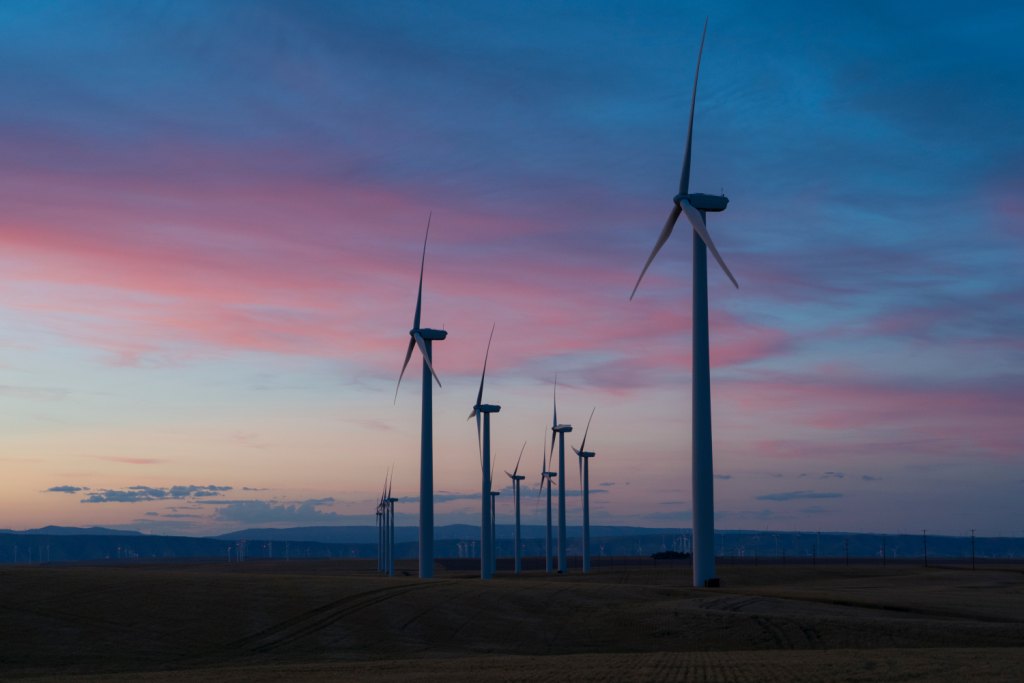
    Renewable energy finally arrived. Technically, commercially and in terms of actual deployment. In 2018, we crossed 20% of total capacity installed in India powered with renewables (non-hydro). Nearly 65% remains coal and other fossils unfortunately. Thankfully, India is blessed with great wind near coastlines (for both offshore and onshore wind), great sunshine (for solar) and an agri-based economy (for biomass). These are the current front-runners in renewables. The proportion of renewables will continue to grow as we see continued challenges with coal and oil imports. 
    (more…)
  • India’s Energy Policy and Ambitions

    India’s Energy Policy and Ambitions

    Energy consumption and air pollution are inexorably linked in today’s fossil-dominated world. This nexus is hard to break, though not impossible. For all those who’ve breathed in Delhi air during winters, it may not come as a surprise that health impacts of air pollution are significant. In fact, air pollution led to ~1·24 million deaths in India in 2017, making it #3 risk factor for deaths and disability combined, ahead of high blood pressure, tobacco and alcohol use. It is a public health emergency, and no longer an issue India can afford to postpone action on.

    (more…)
  • Atomberg Technologies: Leading change with energy efficient gorilla fans

    Atomberg Technologies: Leading change with energy efficient gorilla fans

    With irregular power cuts, soaring bills, and rampant climate change, the road ahead to make India 100% energy efficient is full of potholes and roadblocks. While the government is prioritizing energy conservation, India is currently the third largest emitter of greenhouse gases after the US and China, making it most vulnerable to climate change. It is high time now that we take ownership and do our part in order to save our climate by creating fully energy efficient industries and homes. Wondering where to begin? Using energy efficient appliances and electronics is one of the first steps you can take in this direction. Using energy-efficient appliances and electronics can dramatically reduce the energy demand in homes and offices alike.

    (more…)
  • Learnings of an Energy Entrepreneur

    Learnings of an Energy Entrepreneur

    For most of us living a modern lifestyle “roti, kapda aur makaan” is not enough anymore. We need “bijli” in equal measure. In fact, I’d wager, if we had to choose between “eating when very hungry” or “recharging when the battery is dying”, many will choose the latter.

    I grew up in north India and vividly remember studying in candlelight because of the frequent power cuts. Many years later, it’s still a problem in many parts of the country, though lesser. So naturally, it seemed like a problem worth solving. That, combined with the desire to accelerate the adoption of sustainable living, gave me the inspiration to start Oorjan in 2015 ⁠—   a startup in the solar energy. What a ride it has been!

    (more…)
  • Energy Efficient Technologies

    Energy Efficient Technologies

    Energy efficiency measures are tools and techniques used to reduce the total amount of energy consumption in any operation. Reducing consumption for same service is one of the best ways to have an energy and carbon impact, although not as much talked about as other clean technologies.

    An average household in India consumes approximately 1000 KWH of electricity per year. Total industrial consumption of electricity in India is approx. 425000 GWH per year. Despite a continuous improvements shown in energy efficiency by taking various conventional measures in the past, industry still has an opportunity to reduce energy consumption by 15% in next 5 years.

    (more…)
  • Future of Distributed Solar Energy in India

    Future of Distributed Solar Energy in India

    Distributed solar energy refers to utilizing the residential and industrial rooftop space to produce electricity from solar PV panels. Some of the advantages of using rooftop solar include minimizing the cost of land and additional transmission capacity and saving on the transmission and distribution losses, which could be as high as 30% for traditional power plants. India is in a transformational phase for solar rooftop, where the focus is on building capacity and raising awareness about the advantages. With the declining prices of PV modules, solar rooftop electricity has become much cheaper than commercial and in some states, it is also cheaper than residential electricity.

    (more…)
  • India’s EV Story: Created for value, driven by passion

    India’s EV Story: Created for value, driven by passion

    If you live in India, chances are you would have thought/ experienced air pollution, noise pollution and, of course, congestion in your daily life. And if you are in Delhi NCR, you would have all of this in your face. If you happen to be in running half or full marathons like I do, you would crave for breath of fresh air. Back in 2015, I started thinking on Electric Vehicles and why it’s a no brainer given the pollution, congestion and not to mention a massive energy security risk (we import 90% of our crude oil consumption). So why were EV’s not becoming mainstream in India?

    (more…)
  • Electric Mobility in India

    Electric Mobility in India

    India is the fourth largest automobile market in the world, with about 200 million on-road vehicles. By 2030, an additional 400 million customers will need mobility solutions. Everyday traffic is joined by new cars, running on expensive imported fuel and cluttering already overcrowded cities, which suffer from infrastructure bottlenecks and intense air pollution. This situation demands a transportation revolution in the country and electric mobility will be at the centre of it.

    (more…)
  • Mumbai to Mumbai via Srinagar, Dras, Kargil and Leh

    Mumbai to Mumbai via Srinagar, Dras, Kargil and Leh

    With a wry, half smile he said,

    “यहाँ कोई टेन्शन नही है, सब टेन्शन ट्रैनिंग में खतम हो गया.”

    I was talking to a Jawan in the Indian Army posted at a border post in Batalic sector. Mind you, this is one of the posts at the border of Pakistan and India. Violation of ceasefire can take place any day, at any time of the day. Gun fires, grenades can hit you any time, nobody is certain of life at the next moment. And this guy was saying ‘No Tension’!! (more…)